
Is Village in the Shade Scary? Honest Content Guidance
A spoiler-free look at how scary Village in the Shade is—Steam content warnings, Yomawari-team tone, and how Peaceful mode limits horror.
FAQ
Is Village in the Shade a horror game?
What content warnings does Steam show?
Can you avoid scary content entirely?
Is it as scary as Yomawari?
Will horror destroy my farm or friendships?
Is Village in the Shade scary for a farming sim player?
It can be, if you play standard Village in the Shade Mode and deliberately break Kagatsu’s code or follow story beats into night exploration. It is not a nonstop horror game: Steam’s description sells cherry-blossom walks, festivals, and homestead decorating first, then warns you to follow rules—or else. Think cozy daytime loop with optional dread, not a turret-holding survival title.
If you want the rural fantasy without that optional dread, start in Village in the Sunshine Mode (NIS America’s Peaceful Life Mode) instead—see /guides/peaceful-life-mode/.
What do official ratings and store labels say?
Use platform labels as your baseline before you watch trailers:
| Label source | What it flags |
|---|---|
| Steam Mature Content Description | Cartoon Blood and Violence; Horror Themes; Themes of Suicide |
| NIS America game listing (console) | ESRB-style note: Violence, Blood, Language, Use of Alcohol and Tobacco |
This guide does not describe specific scenes, images, or story outcomes—only that Steam explicitly warns about suicide themes alongside cartoon violence and horror tagging. If those topics are sensitive for you, treat standard mode as high risk even if the art looks cute.
When does frightening content actually show up?
Publisher and developer sources agree on the trigger logic, not jump-scare timers:
- Village rules — Kagatsu’s code is real in-fiction. NIS America warns that breaking it may lead to “something terrifying.” Steam’s blurb gives plain examples (strangers, leaving town, going out at night). Standard mode lets you violate those rules; Sunshine mode blocks violations entirely per the same page.
- Player choice — Mizogami told 4Gamers the horror concept is “if you do not poke the bear, the bear stays asleep.” Following /rules/village-rules/ avoids many optional frights even in Shade mode.
- Story-required nights — The interview acknowledges some mandatory late-night segments along the main route in standard play. We do not list when they occur (/rules/night-exploration/ stays spoiler-light). Plan extra mental bandwidth if you hate walking home after dark.
- Atmosphere without gore — Preview writers in Sunshine still felt uncanny emptiness. That is tonal, not a failure of Peaceful mode’s safety net.
How does this compare to Yomawari?
Same studio lineage, different genre mix. Mizogami stated Village in the Shade is a standalone life sim, not a Yomawari sequel, and that the team kept horror more restrained visually than Yomawari while still borrowing unsettling folklore tone.
Mechanically, the interview highlights two comfort differences:
- HP instead of one-hit deaths — Contact with threats should not instantly end a run the way Yomawari hunts can.
- No bad endings or farm wipes — Horror should not permanently delete livestock, furniture, or friendship progress.
That makes standard mode ** softer than Yomawari** for many players, but Steam’s Horror Themes and Themes of Suicide labels still apply when you engage the darker path.
What Peaceful / Sunshine mode removes (no spoilers)
NIS America: you cannot break the code. Mizogami: Sunshine excludes code-breaking “terrifying events” and the team did not build bad endings. You should not see yokai-night escalation tied to rule violations. Ambient unease, folklore subtext, and non-interactive oddities are not confirmed to be zero—only that the rule-breaking horror pipeline is off.
How can you reduce fear while still playing?
- Start Sunshine mode on your first save if you are unsure. You can begin a Shade save later; switching mid-file is not supported officially.
- Follow the code in standard mode until you finish /guides/beginner-guide/ and understand daytime income loops.
- Stop when marketing hooks stop being fun—trailers emphasize dread because the Yomawari audience exists. Gameplay daytime loops are closer to NIS America’s “peaceful stillness” copy.
- Use platform controls — brightness, subtitles, and volume help cartoon horror read as tension instead of shock. Steam Deck or handheld play does not remove store descriptors.
If you need zero horror-adjacent media, this game’s standard mode is the wrong product despite cozy marketing.
Sources and verification
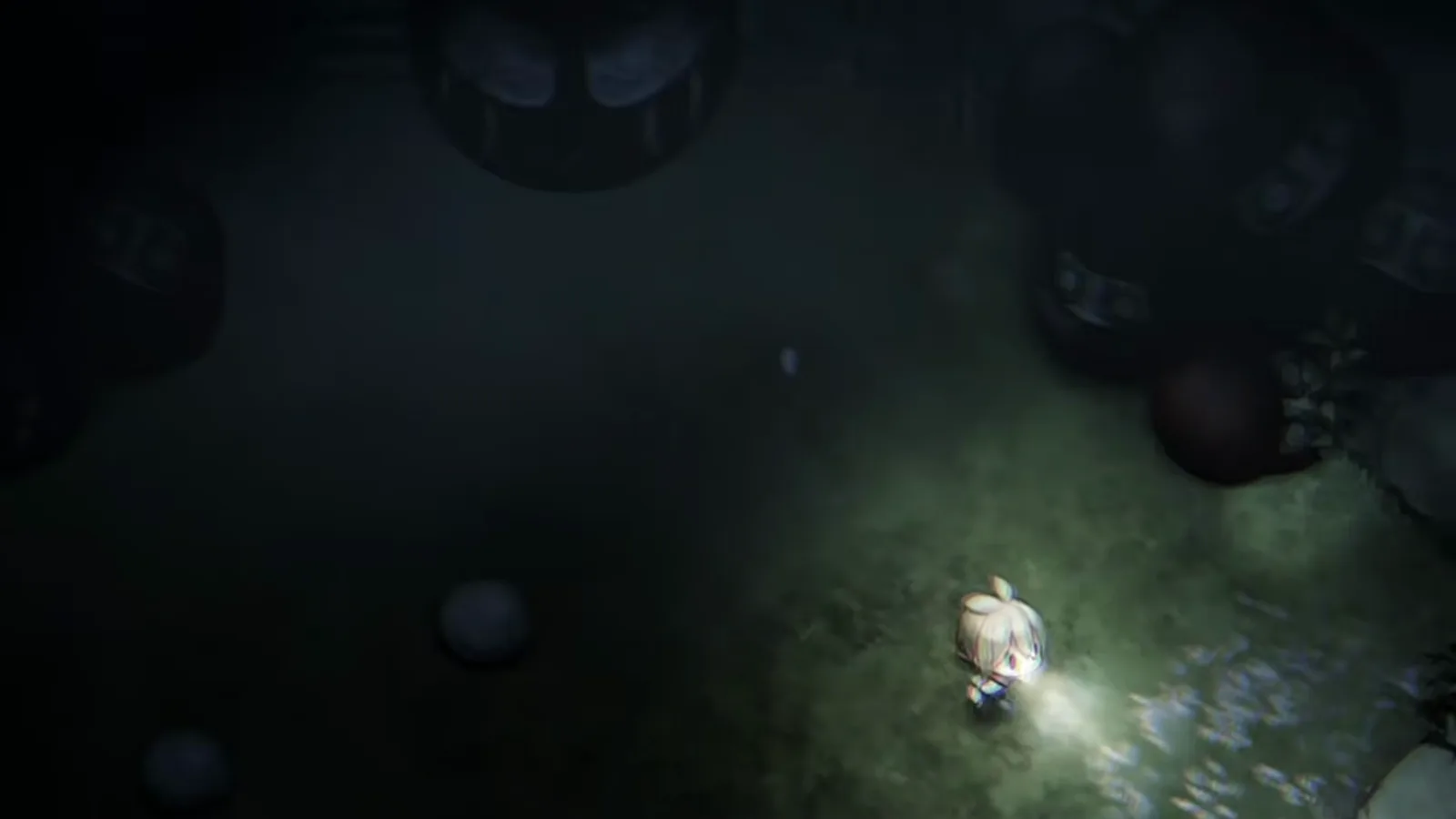
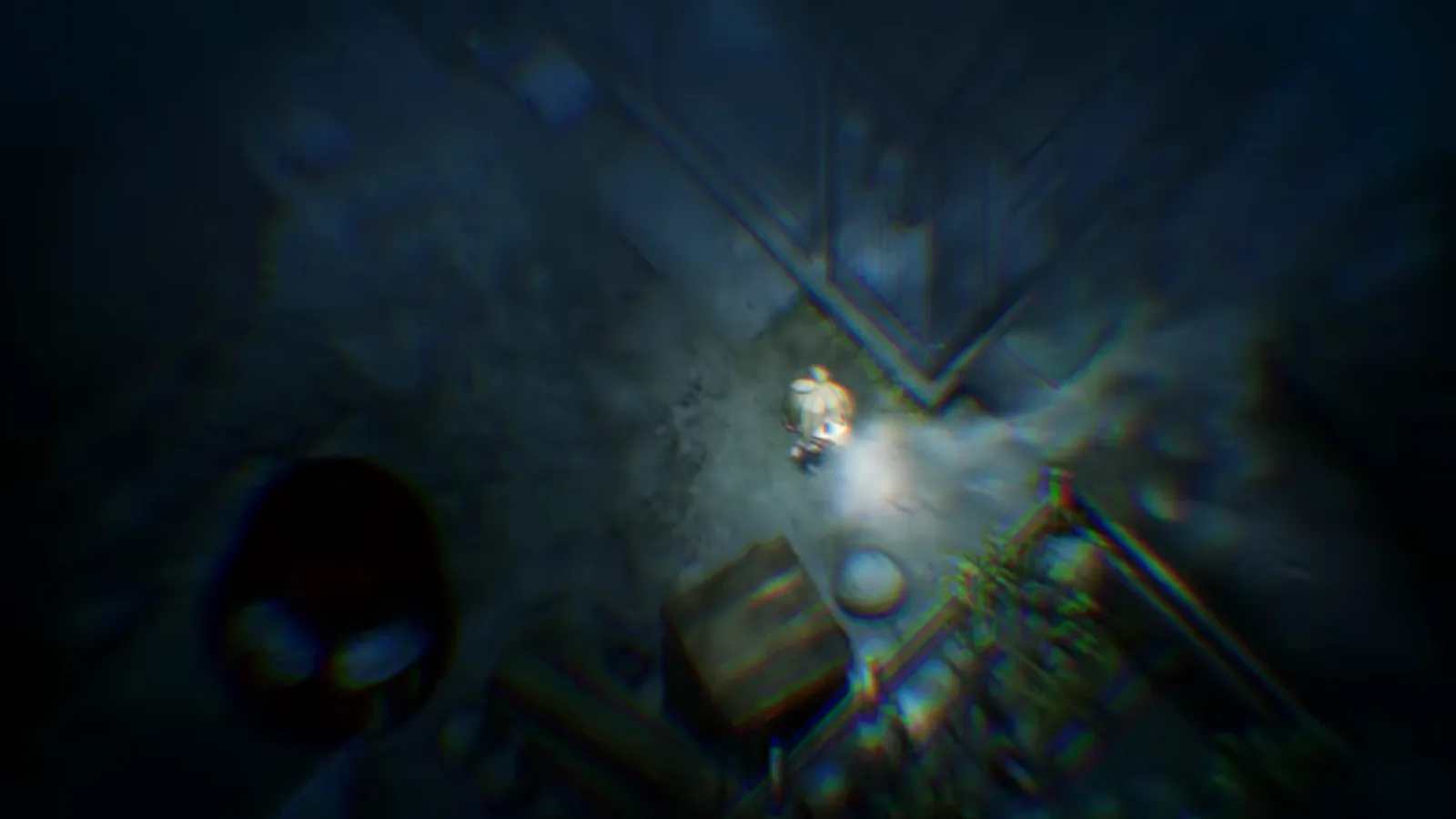
Illustrative screenshots: Frames from Village in the Shade - Official Launch Trailer (GameTrailers) at 1m22s, 1m23s, and 1m25s. Images document tone from publisher trailer footage only; they are not spoiler screenshots of specific story beats.
| Source | URL | Used for |
|---|---|---|
| Steam store | https://store.steampowered.com/app/3934250/Village_in_the_Shade/ | Mature content tags; rule examples; genre mix |
| NIS America (English) | https://www.nisamerica.com/village-in-the-shade/?lang=en | Peaceful Life Mode; code-breaking fear promise |
| NIS America (game spec) | https://www.nisamerica.com/games/village-in-the-shade/ | Console content rating line |
| 4Gamers interview | https://www.4gamers.com.tw/news/detail/80703/honogurashi-hands-on-interview-village-in-the-shade/ | Horror restraint vs Yomawari; HP; no bad endings; optional vs mandatory nights |
Verification date: 2026-10-28.
Not confirmed in our playtest: Exact scare frequency per hour, jump-scare count, audio-only events, and whether every suicide-theme warning moment is skippable. Player reviews on Steam are anecdotal, not cited here as fact.
Related Articles
guides
Village in the Shade Beginner Guide — What to Do First
A spoiler-free beginner guide for Village in the Shade: pick your mode first, learn the village code, and build a farm you can actually maintain.
guides
Village in the Shade Peaceful Life Mode vs Standard Mode
Compare Village in the Sunshine Mode (Peaceful Life) with standard Shade mode: switching rules, farming content, and story scope—based on NISA and Steam sources.
guides
Village in the Shade Codes — Promo Codes vs Village Rules
Does Village in the Shade have redeem codes? We checked NISA and Steam—no in-game promo code system; learn what village code means and how to avoid scam keys.
Was this helpful?
Thanks for the feedback!