
Village in the Shade Shrine Skills — Magatama and Upgrades
Learn how Magatama and the Crossroads Shrine skill tree work in Village in the Shade: unlock steps, offering basics, and stamina upgrades with sources cited.
FAQ
How do you unlock the Crossroads Shrine skill tree?
What are Magatama used for?
Where do you get Magatama?
Does Fox Fried Tofu come from the same shrine?
Are English skill names final?
What are shrine skills and Magatama?
In Village in the Shade, shrine skills are upgrades unlocked at the Crossroads (Mukou) shrine by spending Magatama and related offering items. LadiesGamers notes that night runs can yield Magatama you offer at the village shrine to unlock new gameplay elements and blueprints—think recipes, machines, farming techniques, and utility nodes rather than stat gear.
Magatama behave like shrine currency, not inventory trinkets with passive bonuses. The power comes from the node you purchase in the tree.
How do you open the Crossroads Shrine?
Public walkthroughs converge on one daytime chain:
- Reach the Helping Ticket phase (helping tickets guide).
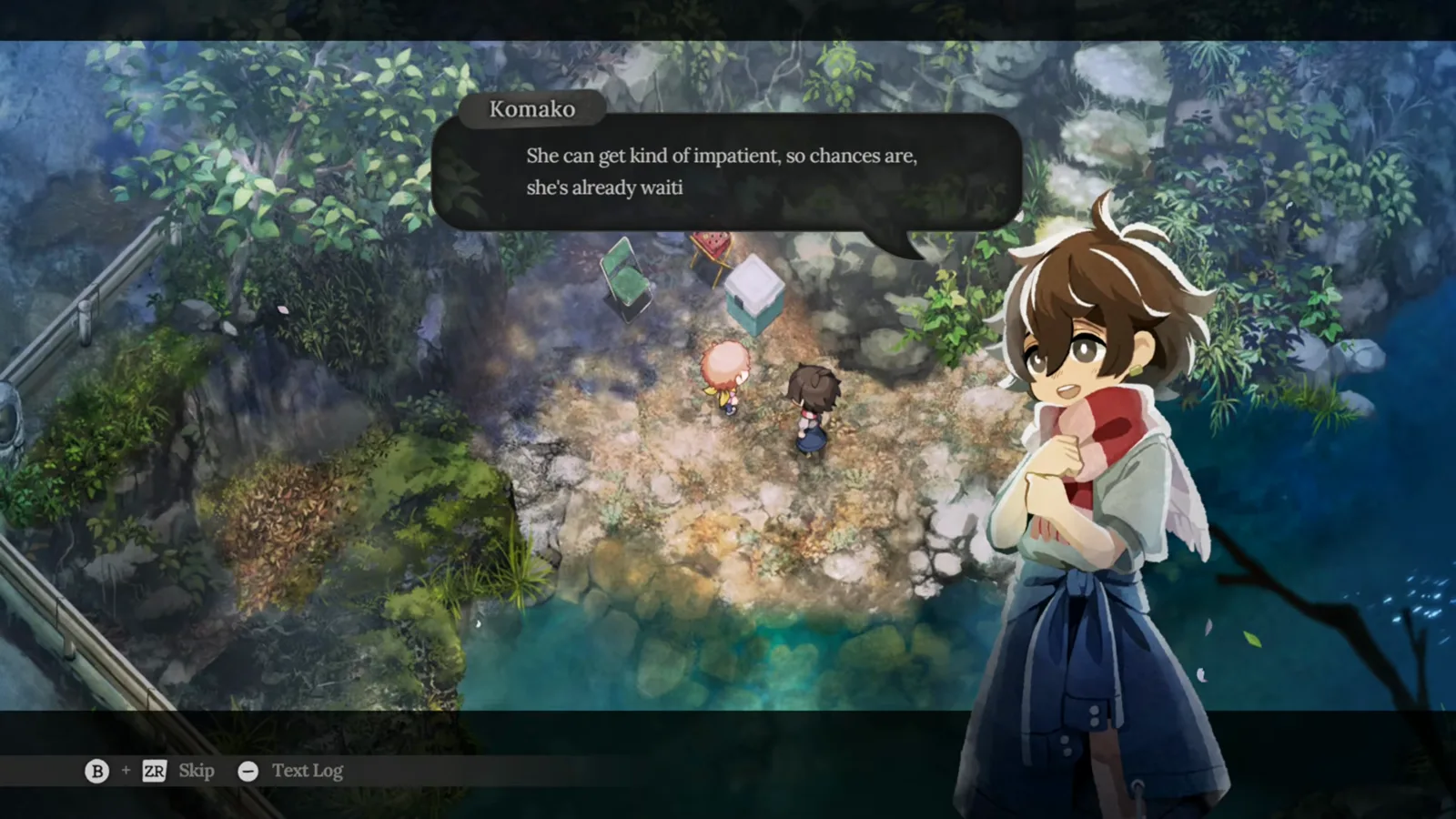
- Take Komako’s request to restore the Crossroads shrine near the farm road.
- Deliver the documented material set (wood, stone, rock salt, copper ore—exact counts in walkthrough sources).
- Report completion, then wait until the next day when the shrine accepts offerings.
Neoseeker and Kanigame both describe this as the entry point to 勾玉 (Magatama) spending. Until repair finishes, night pickups have nowhere to convert into progress.
Komako’s route is story-fixed; ordinary shop purchases do not skip it.
What types of Magatama exist?
English fansites group Japanese item IDs into four Magatama colors/shapes plus occasional special costs (for example bronze mirror or sword offerings in database exports). Those names are working translations from the Japanese release:
- Standard stone Magatama
- Rain (blue) Magatama
- Twin (linked green) Magatama
- Child (red) Magatama
Nodes farther in the tree may require multiple types at once, which is why night exploration repeats matter once you can safely farm glowing pickups.
How do you learn a shrine skill in practice?
Reported player loop:
- Collect Magatama during eligible nights or events.
- Visit the repaired Crossroads shrine in daylight (management menus are easier than mid-chase).
- Select a node; confirm costs if you hold enough types.
- Receive the unlock—often a recipe, machine, or technique flag immediately added to your crafting or tool behavior.
Database mirrors (Neoseeker hokora lists, Japanese AppMedia exports cited on community skill pages) show dozens of nodes staged across repair tiers. We do not reproduce full tables here—costs patch and English strings drift.
Instead, plan by category need: early quality-of-life processing (compost, sprinklers), gathering finesse, then advanced automation—aligned with tool upgrades and money making goals.
How does stamina relate to shrines?
Two separate systems affect stamina—do not merge them:
Crossroads techniques (Magatama tree)
Japanese skill databases document カマの技術 (“Sickle Technique”) as a shrine node that reduces stamina use when swinging the sickle, distinct from a later update node that enables sickle harvesting. That distinction appears in AppMedia-sourced skill lists mirrored on English fan databases—not on NIS America’s site.
English node names, exact reduction values, and total tree size are not confirmed here.
Fox shrine and Fox Fried Tofu (midnight)
AppMedia’s spring chart describes following a fox at night to a fox shrine, delivering seasonal forage bundles, and receiving 狐の油揚げ (Fox Fried Tofu), which raises maximum stamina. A second English fan guide describes the same reward effect with the same separation from the Crossroads tree.
That makes Fox Fried Tofu a permanent max-stamina upgrade, not a cooked meal from your kitchen recipe list. It does not replace food, sleep, or hot-spring recovery for day-to-day energy.
How does this fit your early-season route?
A spoiler-light priority list supported by multiple sources:
- Finish Komako’s shrine repair before hoarding Magatama blindly.
- Resume night runs for Magatama once assigned (rules curfew context).
- Spend on processing and farming nodes that reduce daily chores before cosmetic paths.
- Track fox offerings separately if you want max stamina chunks without confusing them for Crossroads nodes.
If nights are too stressful, remember Peaceful Life Mode removes rule-breaking—including much of this loop—while the daytime farm still operates.
Sources and verification
Verified 2026-10-28. Shrine UI and English strings were not captured in-game on this date.
| Source | URL | Used for |
|---|---|---|
| LadiesGamers review | https://ladiesgamers.com/village-in-the-shade-review/ | Magatama at night; shrine unlocks gameplay/blueprints |
| Neoseeker (Rule II / Komako) | https://www.neoseeker.com/village-in-the-shade/Breaking_the_Second_Rule | Crossroads repair materials; shrine repair flow |
| Neoseeker (Hokora list) | https://www.neoseeker.com/village-in-the-shade/Hokora_Shrines | Example Magatama costs for shrine rewards |
| Kanigame primer (JP) | https://kanigame.jp/villagein-the-shade-primer-guide/ | Komako shrine unlock timing; Magatama consumption |
| AppMedia spring chart (JP) | https://appmedia.jp/honogurashi/80262751 | Fox shrine chain timing with spring errands |
| AppMedia Fox Fried Tofu (JP) | https://appmedia.jp/honogurashi/80263390 | Fox Fried Tofu raises maximum stamina (元気) |
| AppMedia cursed items (JP) | https://appmedia.jp/honogurashi/80269213 | In-game Magatama type blurbs (勾玉, rain, twin, child) |
| NIS America (midnight) | https://www.nisamerica.com/village-in-the-shade/midnight/?lang=en | Night exploration context for pickups |
Not confirmed: full skill-tree node order in English, Sickle Technique numeric reduction (community databases cite AppMedia order lists—not re-verified here), total Fox Fried Tofu rewards available, and Peaceful Life Mode parity for shrine routes. Single-source only: detailed spawn maps and competitor skill calculators—confirm in-game before spending rare Magatama types.
Screenshot sources (illustrative)
| Screenshot | Video | Timestamp |
|---|---|---|
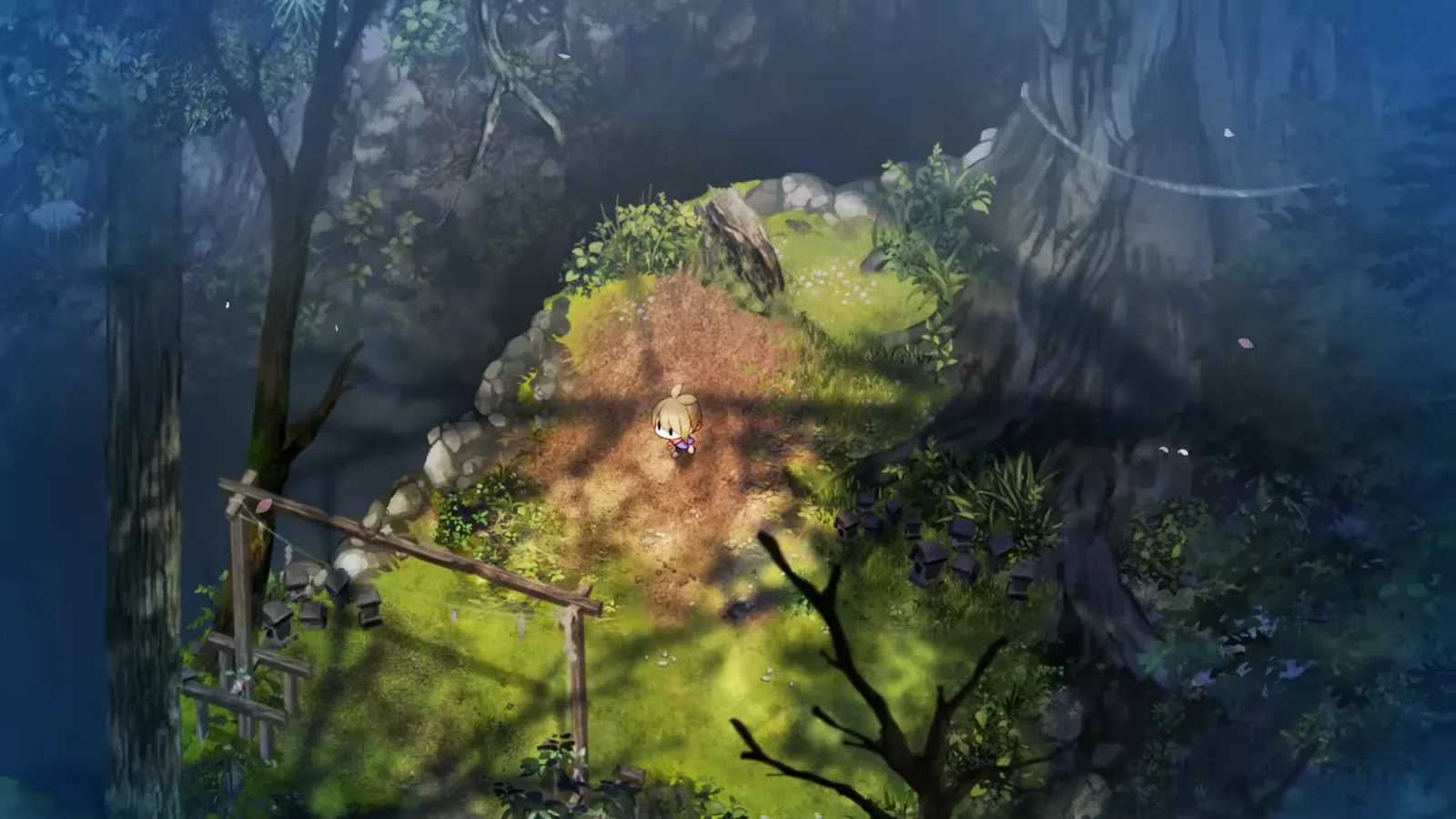
| Crossroads forest lanterns | Village in the Shade … English gameplay — HKS DDR | 7:30 |
| Komako riverside dialogue | Village in the Shade Nintendo Switch 2 Gameplay — Handheld Players | 15:05 |
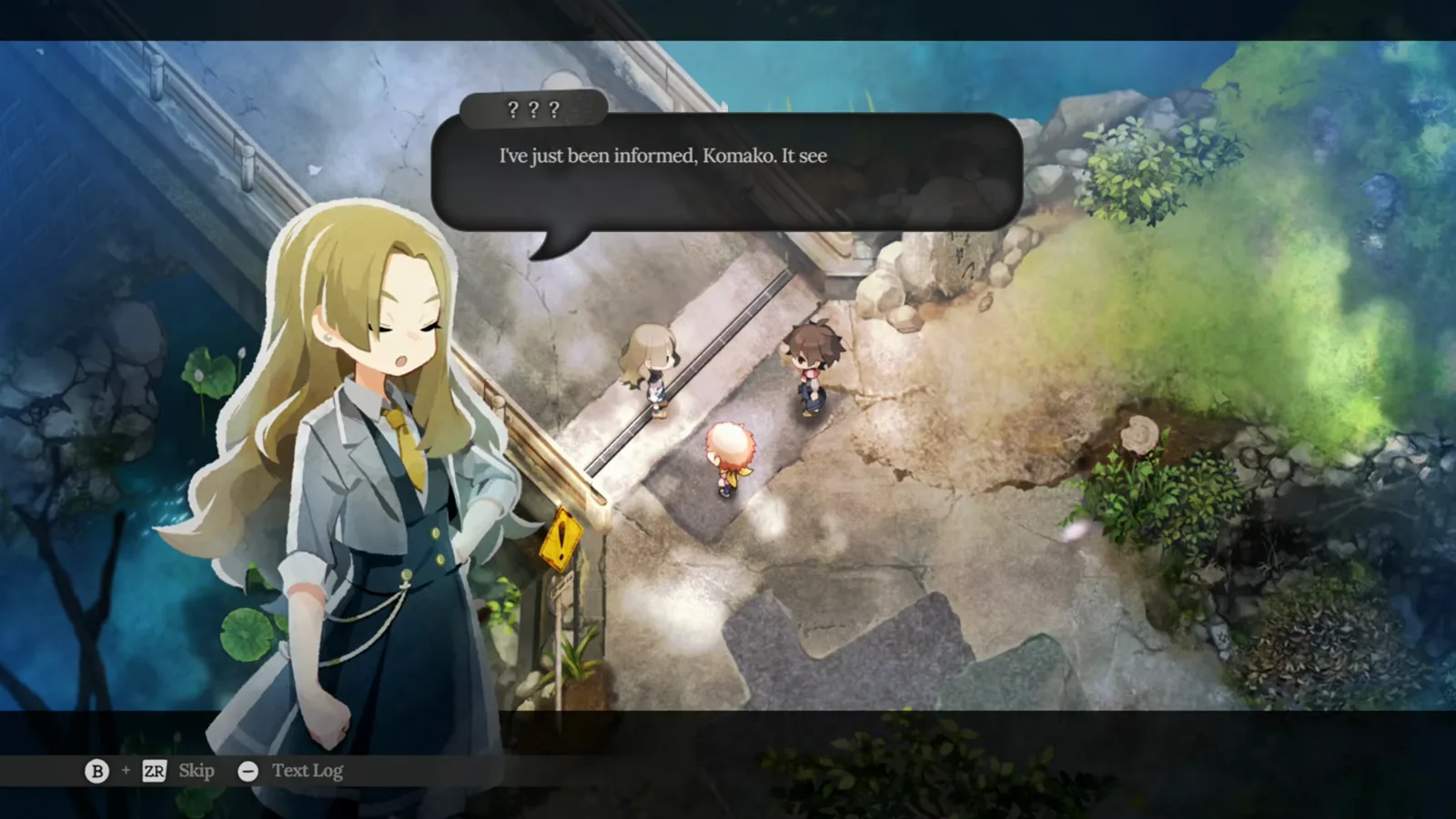
| Bridge dialogue naming Komako | Handheld Players — Switch 2 Gameplay | 9:15 |
No clean Magatama offering menu or skill-tree UI appeared in these two gameplay videos without streamer overlays; screenshots show locations and characters tied to the documented repair gate only.
Related Articles
guides
Village in the Shade Helping Tickets — Errands and Unlocks
How Helping Tickets work in Village in the Shade: when the system starts, how to hand them in, and which villager rewards are documented by multiple sources.
guides
Village in the Shade Marriage and Romance — What Exists
Can you marry or romance villagers in Village in the Shade? No dating or wedding system is documented; here is what affection, gifts and birthdays do.
guides
Village in the Shade Money Making — Early Income Routes
How to make money early in Village in the Shade: fishing vs farming, seasonal spots, shipping, and quests—with verified prices and unconfirmed tips flagged.
Was this helpful?
Thanks for the feedback!